INVAP | REENGINEERING OF CONSOLES FOR CIVIL AND MILITARY RADARS
THE COMPANY
INVAP is a state-owned company from the Argentine province of Río Negro, with more than 45 years of experience in the national market and 35 years internationally. Its mission is to develop cutting-edge technology across different fields of industry, science, and applied research, creating high value-added, strategic “technology packages.” Its main areas of activity include Nuclear, Aerospace, Government & Defense, Industrial Technology, and Technological Services.
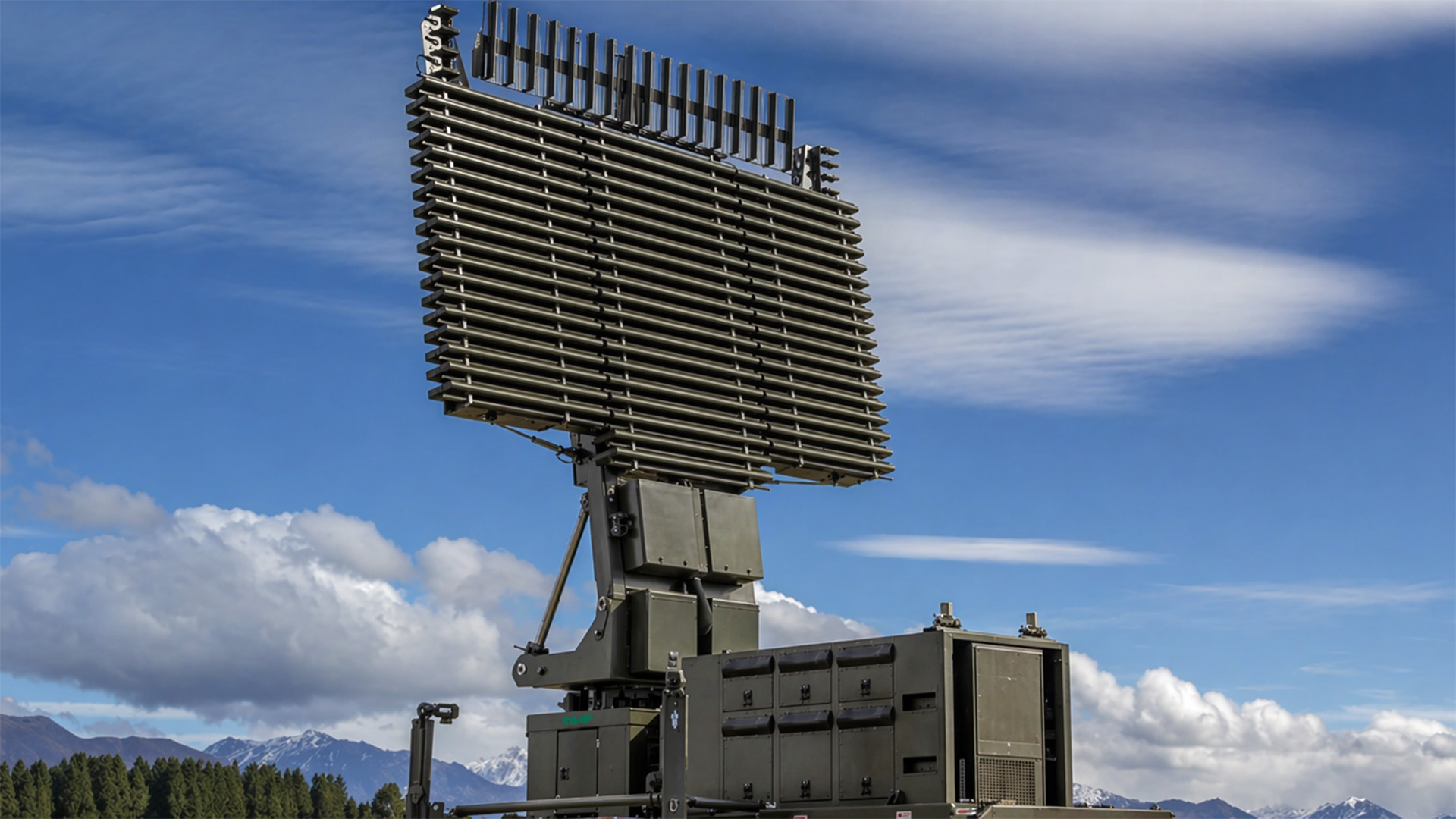
Among its achievements are the turnkey development of low-power nuclear reactors, making it a global benchmark in this technology. It is also known for the program that led to Argentina’s current satellite constellation and for the development of advanced civil and military radar systems.
THE CHALLENGE
As part of a long-term collaboration agreement aimed at developing innovative, high-quality digital products and strengthening the software engineering capabilities of both companies, INVAP needed to analyze, restructure, and modernize the software platform used in radar consoles. It was also necessary to review and optimize the existing working methodology to accelerate software development timelines.
THE SOLUTION
After an initial assessment of business needs, functional requirements, and technical demands, a comprehensive redesign of the architecture, user interfaces, and component structure of the consoles was carried out.
To achieve this, a joint team was formed between both organizations, composed of specialists in product analysis, frontend and backend development, UX, DevOps, and test automation.
As part of this process, a framework for building consoles was developed, focused on modernization, performance, robustness, security, and reusability. This resulted in a set of modular and reusable components for radar console families.
The solution was implemented using modern technologies such as React, TypeScript, Vite, D3, WebSockets, and Web Workers for the frontend, along with Java, Spring Boot, RabbitMQ, and Redis for the backend, all orchestrated using Docker.
Additionally, improvements were introduced in working dynamics, optimizing collaboration and accelerating value delivery.
BENEFITS
- Modernization of the technology stack and update of development methodologies, aligning them with current industry best practices.
- Creation of an integrated team composed of professionals from both companies, working as a single unit and fostering knowledge sharing and mutual learning.
- Design of reusable components that can be leveraged across different console families, optimizing effort and development time.
- Significant improvement in time-to-market for new versions and features.